Ayurvedic Night Routine for Better Sleep: 10 Steps to Wind Down
Ayurveda counts sleep as one of the three pillars of health. This evening routine uses timing, warmth and calm to help you fall asleep faster and wake up refreshed.
Ayurveda counts sleep as one of the three pillars of health. This evening routine uses timing, warmth and calm to help you fall asleep faster and wake up refreshed.
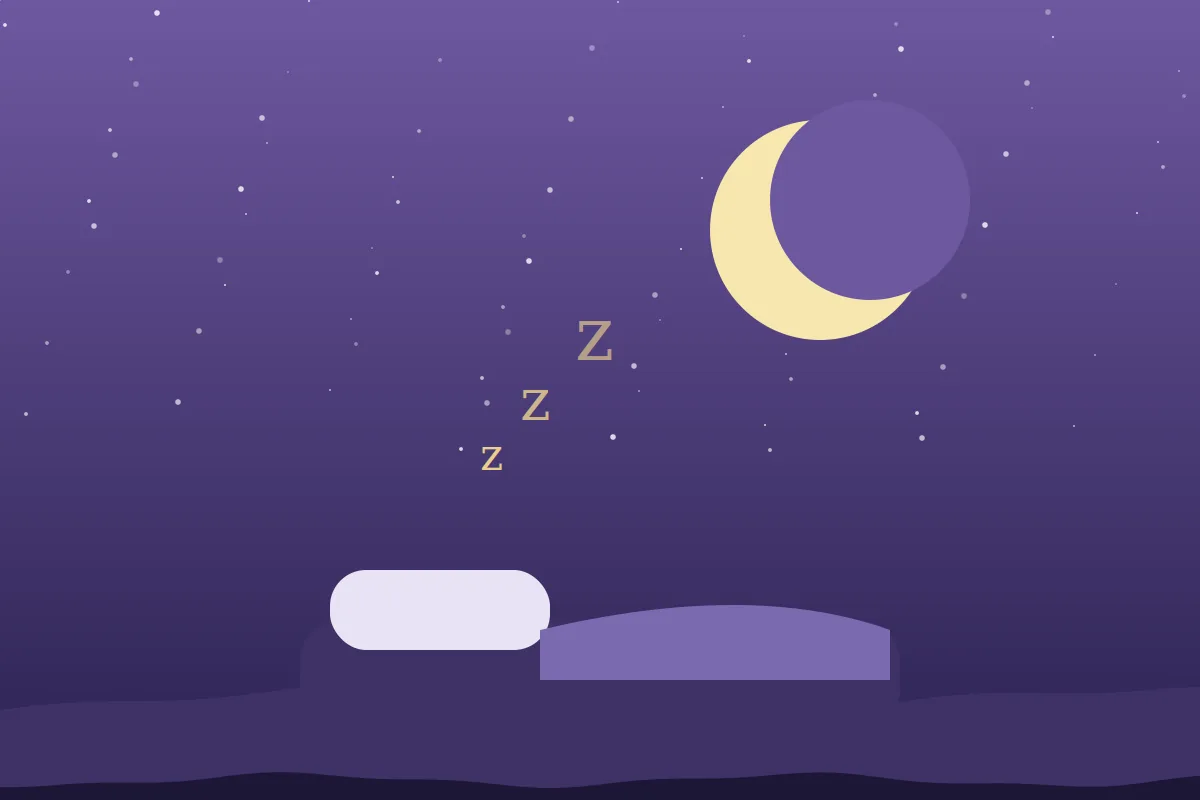
An Ayurvedic night routine means eating a light dinner by about 7:30 pm, taking a short walk, turning off screens an hour before bed, massaging the soles of the feet with warm oil (padabhyanga), sipping warm spiced milk if it suits you, practising calming breathing such as Bhramari, and going to bed by around 10 pm, during the heavy, sleep-friendly Kapha period of the night.
The Charaka Samhita (Sutrasthana 11.35) describes three upastambhas - supporting pillars of life: ahara (food), nidra (sleep) and brahmacharya (wise use of energy). It goes on to say that happiness, strength, fertility, knowledge and life itself depend on proper sleep (21.36).
Modern sleep science agrees on the importance: adults need about 7-9 hours a night, and regular short sleep is linked to poorer mood, concentration, metabolism and immunity.
Ayurveda adds a useful idea: timing. The evening from about 6 to 10 pm is Kapha time - heavy, slow and stable - which makes falling asleep easier. After 10 pm, Pitta time begins, and many people get a "second wind", find themselves hungry or scrolling, and then struggle to sleep. See the dosha clock.
Leave two to three hours between dinner and bed. Choose warm, easily digested food - khichdi, soup, dal with a phulka, cooked vegetables. Avoid heavy, fried and very spicy meals, and large amounts of curd at night.
A gentle 10-15 minute walk after dinner (shatapavali) aids digestion and helps the body shift gears.
Switch off phones, laptops and TV about an hour before bed. Bright light and stimulating content delay sleepiness. Dim the house lights and use warm lamps.
Write tomorrow's to-do list, set out your clothes and close open loops. Unfinished tasks keep the mind active (a Vata and Pitta disturbance).
Warm water relaxes the body, and the slight drop in body temperature afterwards can help with sleep onset.
Sit on the bed and massage each foot for 2-3 minutes with warm sesame oil (or coconut oil in hot weather, or ghee), paying attention to the soles and heels. Ayurvedic texts praise foot massage for sound sleep and for calming Vata. Wear old socks afterwards to protect the sheets.
A small cup of warm milk with a pinch of cardamom or turmeric, or the saffron-almond milk, is a traditional bedtime drink. Some use a tiny pinch of nutmeg - but only a pinch, as larger amounts are toxic. Skip milk if you are lactose-intolerant, and avoid caffeine after early afternoon.
Five minutes of Bhramari (humming bee breath) or simply breathing in for 4 counts and out for 6-8 counts helps move the nervous system into rest mode.
Take two minutes to note three things you are grateful for, or do the short evening reflection from our karma yoga guide: what did I do today, and what was outside my control? Then let it go.
Keep the bedroom dark, quiet, cool and used only for sleep. Aim to wake at the same time every day - consistency does more for sleep quality than lie-ins.
Occasional poor sleep is normal. See a doctor if sleeplessness lasts more than three weeks, if you snore loudly and wake unrefreshed or gasping (possible sleep apnoea), if you feel very sleepy during the day, or if poor sleep comes with low mood or anxiety. For long-term insomnia, doctors recommend cognitive behavioural therapy for insomnia (CBT-I) as the first-line treatment. Do not start sleeping pills or herbal sedatives without medical advice.
Ideally by about 10 pm, during the heavy Kapha period of the evening that makes falling asleep easier. Aim to wake around sunrise at a consistent time.
Many people find a few minutes of warm-oil foot massage (padabhyanga) calming and helpful before bed. Ayurvedic texts recommend it especially for Vata-type restlessness. It is safe for most people.
Ayurveda traditionally recommends a small cup of warm milk with spices like cardamom or turmeric at bedtime for many people, especially Vata types. Skip it if you are lactose-intolerant, have a cold with mucus, or it leaves you feeling heavy.
Most adults need 7-9 hours of sleep a night. Regular sleep and wake times are as important as the total amount.
Health note: This article is for education only and is not a substitute for professional medical advice. Consult a qualified doctor or Ayurvedic practitioner before starting new practices, especially if you are pregnant, have a medical condition or take medication. Read our full disclaimer.
What are Vata, Pitta and Kapha? A clear guide to the three Ayurvedic doshas, their qualities, signs of imbalance and simple ways to rebalance each one.
5 min read
A step-by-step Ayurvedic morning and daily routine (dinacharya): waking time, tongue scraping, oil pulling, abhyanga, meals and sleep - adapted for busy schedules.
5 min read
Learn Surya Namaskar step by step: all 12 poses with breathing cues, the 12 sun mantras, benefits, common mistakes and safety tips for beginners.
5 min read
New articles on Ayurveda, yoga and spirituality, plus one seasonal practice. No spam; unsubscribe anytime.