Vata, Pitta and Kapha: The Three Doshas Explained
The three doshas are Ayurveda's map of how the body moves, transforms and holds together. Here is what each one means, how to recognise it, and how to bring it back into balance.
The three doshas are Ayurveda's map of how the body moves, transforms and holds together. Here is what each one means, how to recognise it, and how to bring it back into balance.

In Ayurveda, the three doshas are functional principles that govern the body and mind. Vata (space + air) controls movement, Pitta (fire + water) controls digestion and metabolism, and Kapha (water + earth) controls structure and lubrication. Everyone has all three; your unique ratio at birth is your prakriti, and health means keeping that ratio steady.
The Sanskrit word dosha literally means "that which can go out of balance". Classical texts such as the Ashtanga Hridayam describe three doshas - Vata, Pitta and Kapha - as the forces that run every function of the body. They are not substances you can point to under a microscope; they are categories of activity.
Each dosha is a combination of two of the five great elements (pancha mahabhuta):
| Dosha | Elements | Core function | Key qualities (gunas) |
|---|---|---|---|
| Vata | Space + Air | Movement: breath, circulation, nerve impulses, elimination | Dry, light, cold, rough, subtle, mobile |
| Pitta | Fire + Water | Transformation: digestion, metabolism, body heat, perception | Hot, sharp, light, slightly oily, liquid, spreading |
| Kapha | Water + Earth | Structure: bones, muscle, fluids, immunity, stability | Heavy, cold, soft, oily, stable, smooth |
A useful way to remember them: Vata moves it, Pitta cooks it, Kapha holds it.
Ayurveda holds that you are born with a fixed ratio of the three doshas, called your prakriti (constitution). A person with a Pitta-dominant prakriti, for example, tends toward a medium build, strong appetite, warm body and a sharp, focused mind.
Your vikriti is your present state - the doshas as they are today after the influence of diet, season, age, stress and sleep. Ayurvedic care aims to bring vikriti back towards prakriti, not to make everyone "equal parts" of each dosha.
Seat in the body: mainly the colon, below the navel. Vata also governs the nervous system and breath.
When balanced: creativity, enthusiasm, quick learning, easy movement and regular elimination.
When aggravated: dry skin, constipation and gas, cold hands and feet, light or broken sleep, worry and scattered attention.
What balances it: warmth, routine and oil. Regular meal and sleep times, cooked and moist foods (soups, stews, ghee), sweet, sour and salty tastes, a daily warm-oil massage (abhyanga) with sesame oil, and slow, grounding practice.
Vata naturally rises in autumn and early winter, in dry and windy weather, during travel and in later life.
Seat in the body: the small intestine and stomach, between the navel and the heart. Pitta also governs the eyes, skin and liver.
When balanced: strong digestion, warmth, clear intelligence, courage and good leadership.
When aggravated: acidity and heartburn, loose stools, skin rashes and inflammation, excessive heat and sweating, irritability, impatience and perfectionism.
What balances it: coolness and moderation. Sweet, bitter and astringent tastes (cucumber, coriander, leafy greens, coconut, milk, ghee), avoiding skipped meals and very spicy, fried or sour food, time in nature, moonlight walks and non-competitive exercise.
Pitta naturally rises in late summer and the post-monsoon autumn (sharad), at midday and in young adulthood.
Seat in the body: the chest and lungs, above the heart. Kapha also governs the joints, stomach lining and immunity.
When balanced: strength, stamina, calm, patience, loyalty and a steady memory.
When aggravated: weight gain, sluggish digestion, congestion and mucus, heaviness after meals, oversleeping, lethargy and attachment.
What balances it: stimulation and lightness. Pungent, bitter and astringent tastes (ginger, black pepper, leafy greens, lentils), lighter and warm meals, vigorous daily exercise, waking early and variety in routine.
Kapha naturally rises in late winter and spring, in the early morning and in childhood.
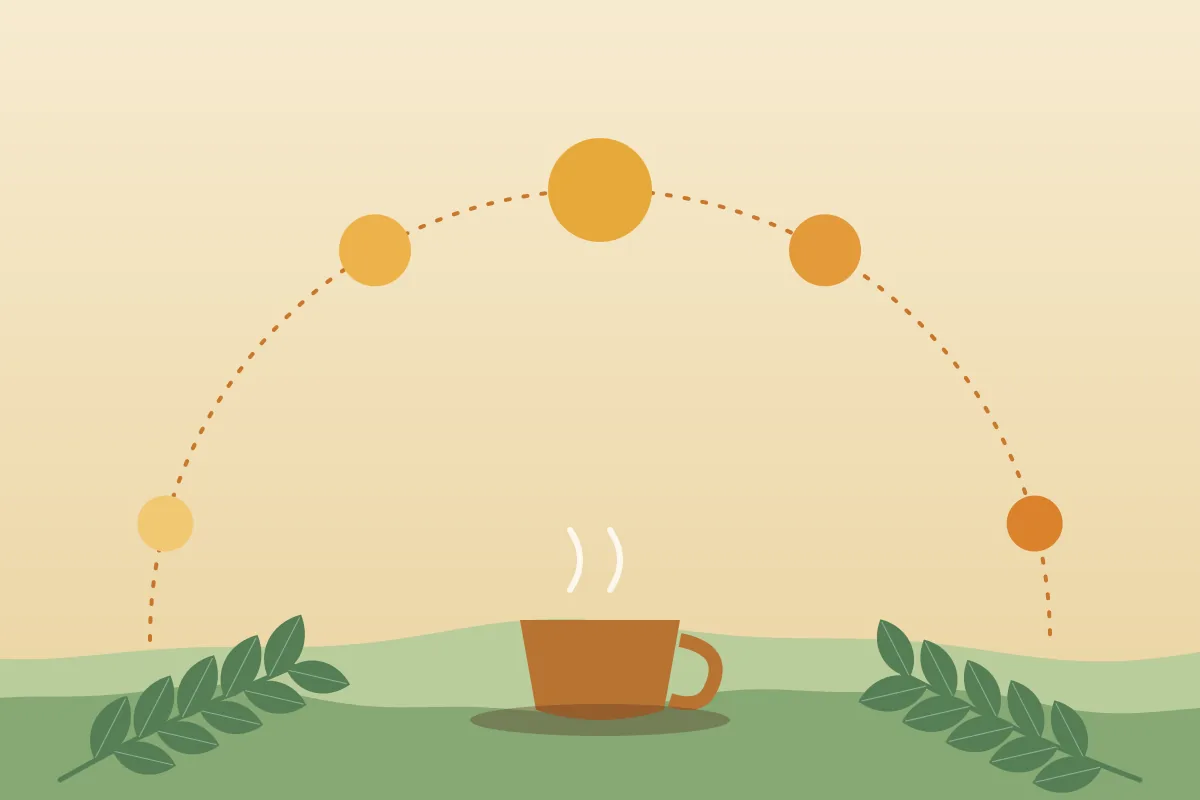
Ayurveda also assigns each dosha a time of day, which is why many Ayurvedic routines are built around the clock:
A reliable assessment considers your lifelong tendencies (body frame, skin, digestion, sleep, temperament) separately from how you feel right now. A few honest questions to start with:
Most people will notice two doshas showing up strongly. That is normal: dual-dosha constitutions such as Vata-Pitta or Pitta-Kapha are the most common. For a proper assessment - including nadi pariksha (pulse diagnosis) - consult a qualified Ayurvedic doctor (BAMS in India).
The single most practical principle in Ayurveda is that similar qualities increase each other and opposite qualities reduce them. Dry, cold, windy weather increases Vata, so warm, oily, moist food reduces it. Hot, spicy food increases Pitta, so cooling foods reduce it. Heavy, sweet, oily food increases Kapha, so light, warm, spiced food reduces it.
Once you understand this rule, you can make sensible choices without memorising long food lists. Continue with our guides to the Ayurvedic daily routine and the six tastes.
None. Ayurveda does not rank the doshas. Each brings strengths when balanced and problems when aggravated; the goal is to keep your own natural ratio steady.
Your prakriti (birth constitution) is considered fixed. Your vikriti (current state) changes constantly with season, age, diet and stress, which is what Ayurvedic routines aim to correct.
They are useful for self-reflection but tend to mix your constitution with your current imbalance. A trained Ayurvedic practitioner uses pulse, observation and history for a reliable assessment.
The dosha framework is a traditional model rather than a biomedical one. Some researchers have explored links between prakriti types and genetic or metabolic markers, but this work is early and not conclusive.
Health note: This article is for education only and is not a substitute for professional medical advice. Consult a qualified doctor or Ayurvedic practitioner before starting new practices, especially if you are pregnant, have a medical condition or take medication. Read our full disclaimer.
A step-by-step Ayurvedic morning and daily routine (dinacharya): waking time, tongue scraping, oil pulling, abhyanga, meals and sleep - adapted for busy schedules.
5 min read
Ayurvedic diet basics: the six tastes (rasa), which doshas they balance, and a season-by-season eating guide (ritucharya) for Indian weather.
5 min read
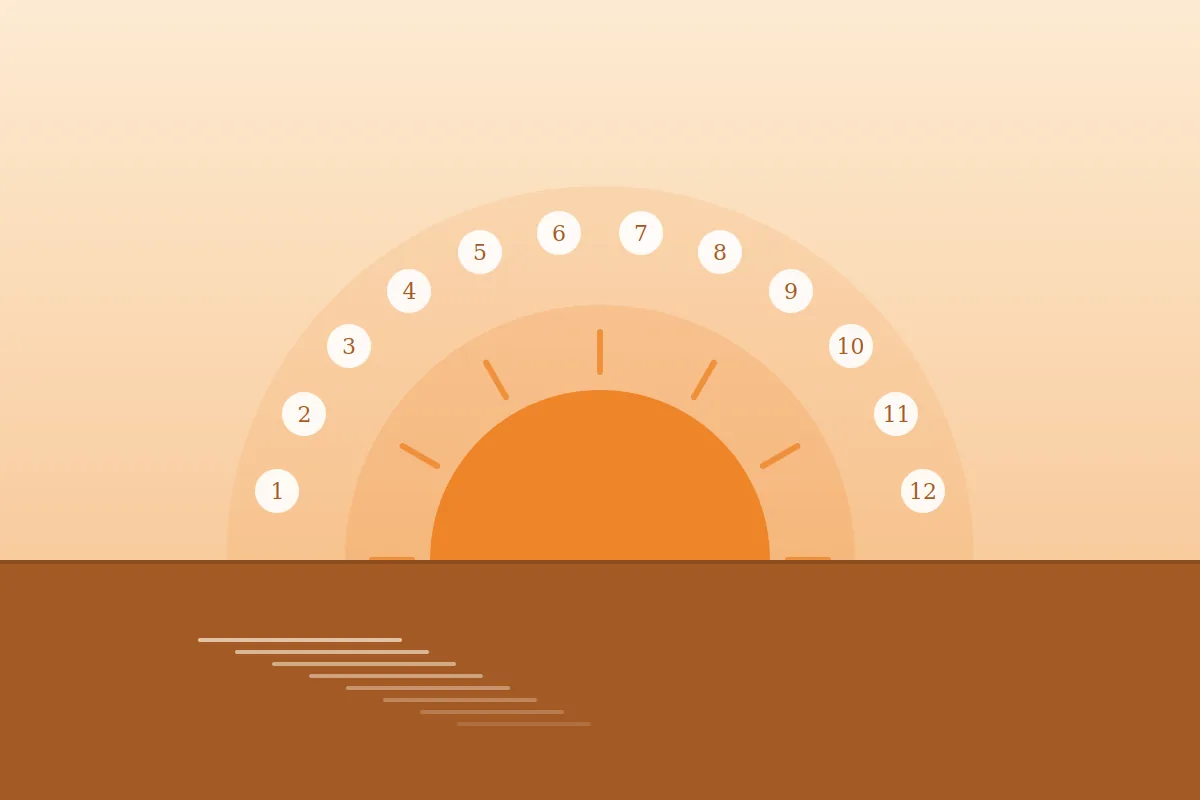
Learn Surya Namaskar step by step: all 12 poses with breathing cues, the 12 sun mantras, benefits, common mistakes and safety tips for beginners.
5 min read
New articles on Ayurveda, yoga and spirituality, plus one seasonal practice. No spam; unsubscribe anytime.