Dinacharya: A Complete Ayurvedic Daily Routine for Modern Life
Ayurveda treats your daily routine as medicine. This is the classical dinacharya, step by step, with a realistic 20-minute version for working mornings.
Ayurveda treats your daily routine as medicine. This is the classical dinacharya, step by step, with a realistic 20-minute version for working mornings.
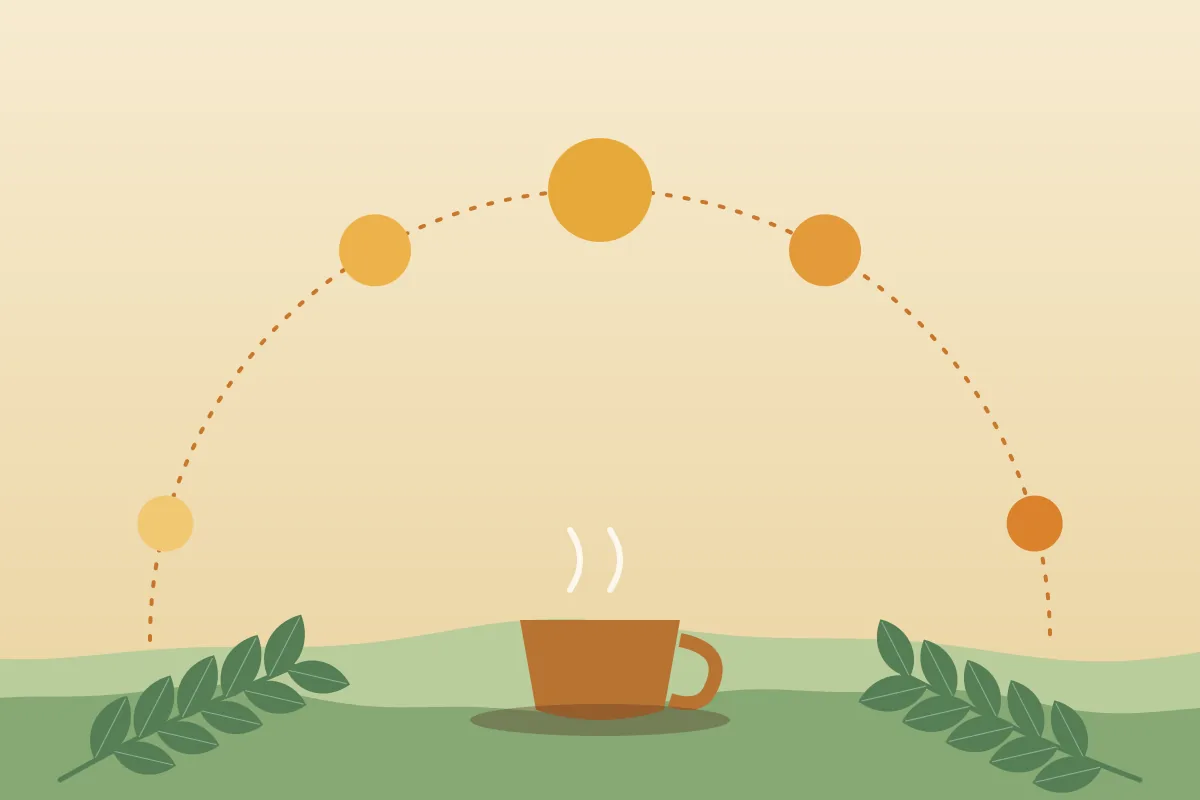
Dinacharya is the Ayurvedic daily routine: wake early (ideally before sunrise), eliminate, scrape the tongue, clean the teeth and mouth, massage the body with warm oil, exercise moderately, bathe, meditate, eat the main meal at midday, have a light early dinner and sleep by about 10 pm. Consistency matters more than doing every step.
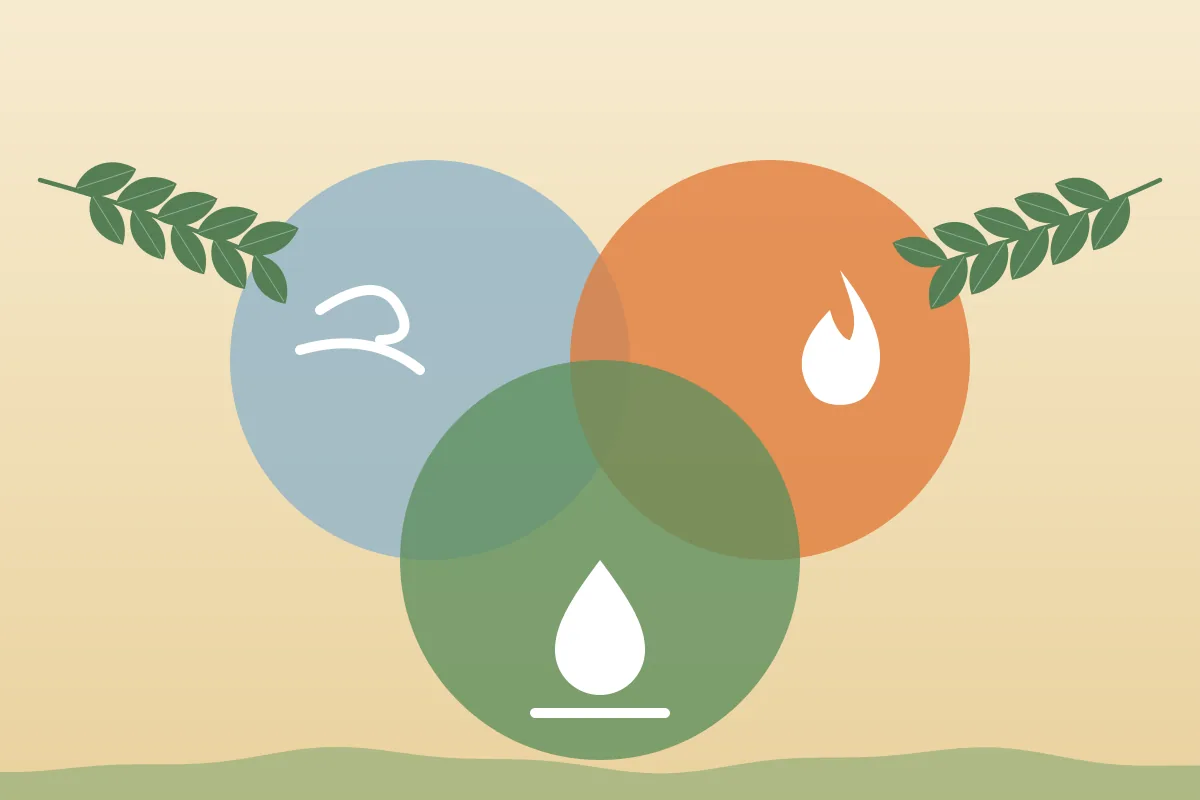
The Sanskrit dinacharya combines dina (day) and charya (conduct). The Charaka Samhita and Ashtanga Hridayam both open their practical advice with the daily routine, because Ayurveda sees most imbalance as the result of small, repeated habits. Regular timing is especially calming for Vata, the dosha most easily disturbed by irregularity.
The routine below follows the classical order. You do not need to do everything; read through, then choose what fits.
Classical texts recommend waking in brahma muhurta, a window of about 96 minutes (two muhurtas of 48 minutes) before sunrise. This is Vata time: light, clear and quiet - traditionally ideal for meditation and study. If that is unrealistic, aim to wake at a consistent time, ideally by 6-6:30 am, when Kapha's heaviness has not yet set in.
Drink a glass of warm water to encourage a natural bowel movement, then wash your face and eyes with cool water. Rinsing the eyes with cool water is traditionally said to soothe Pitta.
Use a copper or stainless-steel tongue scraper, drawing it from back to front 7-10 times. This removes the coating that builds overnight, which Ayurveda associates with ama - undigested residue. Dental research has found tongue scraping reduces the tongue coating and bacteria associated with bad breath.
Brush as you normally would. Traditionally, twigs of neem or babul were chewed as a brush; bitter and astringent herbal toothpowders serve the same purpose.
Swish one tablespoon of sesame or coconut oil around the mouth for 5-10 minutes, then spit it into the bin (not the sink, where it can clog pipes) and rinse. Gandusha means holding the oil still; kavala means swishing it. Oil pulling should complement, not replace, brushing and flossing.
Put one or two drops of a nasal oil (classically Anu taila) or plain sesame oil into each nostril and sniff gently. This is said to lubricate the nasal passages, especially in dry weather. Skip it during a cold, if you have a sinus infection, or if a practitioner has not advised it.
Abhyanga is perhaps the most celebrated practice in dinacharya. Warm a few tablespoons of oil and massage the whole body for 5-15 minutes, using long strokes on the limbs and circular strokes on the joints and abdomen, before bathing.
Ayurveda advises exercising to about half your capacity (ardha shakti) - until light sweat appears on the forehead and underarms and you breathe through the mouth. Yoga, brisk walking and Surya Namaskar are ideal. Kapha types can exercise more vigorously; Vata types should keep it gentle and grounding.
A bath removes the oil and refreshes the senses. Use warm water on the body but avoid very hot water on the head, which classical texts say weakens the eyes and hair.
Five to twenty minutes of meditation, pranayama or prayer steadies the mind before work. Many households light a lamp (diya) at this time.
Breakfast: light and warm - stewed fruit, porridge or poha. Kapha types may prefer only herbal tea.
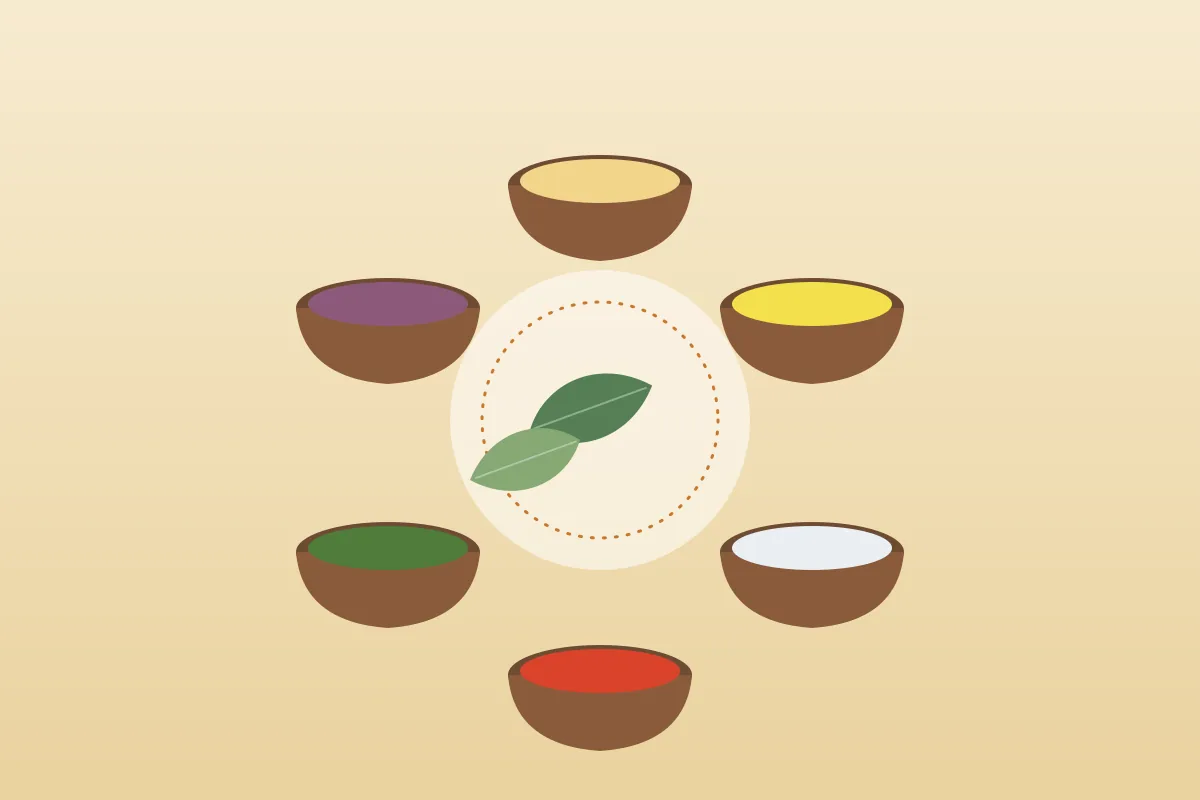
Lunch (12-1:30 pm): make this the largest meal of the day, because digestive fire (agni) peaks with the sun during Pitta time. Include all six tastes if possible.
After meals: sit quietly for a few minutes, then take a gentle walk of about a hundred steps (shatapavali).
Afternoon: Vata time is good for creative work; sip warm water rather than cold drinks.
Dinner: light, warm and at least two to three hours before bed - ideally by 7-7:30 pm.
Evening: dim the lights and screens, read, or take a short walk. Massaging the soles of the feet with oil (padabhyanga) is traditionally recommended for good sleep.
Sleep by 10 pm: this lets you fall asleep during heavy Kapha time. Staying up past 10 pm tends to bring a "second wind" as Pitta rises.
If you have a job, children or a commute, this compressed version keeps the essentials:
Start with three practices - for most people, a fixed wake time, tongue scraping and an early dinner - and add one more every two weeks. Ayurveda values satmya (gradual adaptation): sudden, dramatic changes are themselves a Vata disturbance.
Ideally during brahma muhurta, about 96 minutes before sunrise. If that is impractical, wake at a consistent time before 6:30 am, before the heavy Kapha period of the morning sets in.
For most adults, yes, as long as you do not swallow the oil and continue normal brushing and flossing. It is not a substitute for dental treatment. Children and people with swallowing difficulties should avoid it.
Warm sesame oil is the classical choice, especially for Vata. Coconut oil is cooling and suits Pitta; lighter oils such as sunflower or mustard, used sparingly, suit Kapha.
No. The routine is a menu. Consistency with a few practices - regular sleep, regular meals, tongue scraping and some movement - brings most of the benefit.
Health note: This article is for education only and is not a substitute for professional medical advice. Consult a qualified doctor or Ayurvedic practitioner before starting new practices, especially if you are pregnant, have a medical condition or take medication. Read our full disclaimer.
What are Vata, Pitta and Kapha? A clear guide to the three Ayurvedic doshas, their qualities, signs of imbalance and simple ways to rebalance each one.
5 min read
Ayurvedic diet basics: the six tastes (rasa), which doshas they balance, and a season-by-season eating guide (ritucharya) for Indian weather.
5 min read
Learn Surya Namaskar step by step: all 12 poses with breathing cues, the 12 sun mantras, benefits, common mistakes and safety tips for beginners.
5 min read
New articles on Ayurveda, yoga and spirituality, plus one seasonal practice. No spam; unsubscribe anytime.