Quick answerIn the monsoon (varsha ritu), Ayurveda says digestion (agni) is at its weakest and Vata is aggravated by damp, cool winds. Eat warm, freshly cooked, light food - moong dal, khichdi, soups, old rice, wheat and barley - with ginger, cumin, black pepper and rock salt, and drink boiled water. Avoid raw salads, street food, cut fruit left out, heavy fried food, curd at night and overeating.
Key takeaways
- Ayurveda describes the monsoon as the season of weakest digestion.
- Vata is aggravated in the rains, and Pitta begins to accumulate.
- Warm, light, freshly cooked food with digestive spices is the core rule.
- Boil or purify drinking water - many monsoon illnesses are water-borne.
- Wash leafy greens very thoroughly and avoid raw street food.
In this article
- Why the monsoon is hard on digestion
- What to eat
- What to avoid
- A sample monsoon day
- Lifestyle tips for the rains
- When to see a doctor
- Frequently asked questions
Why the monsoon is hard on digestion
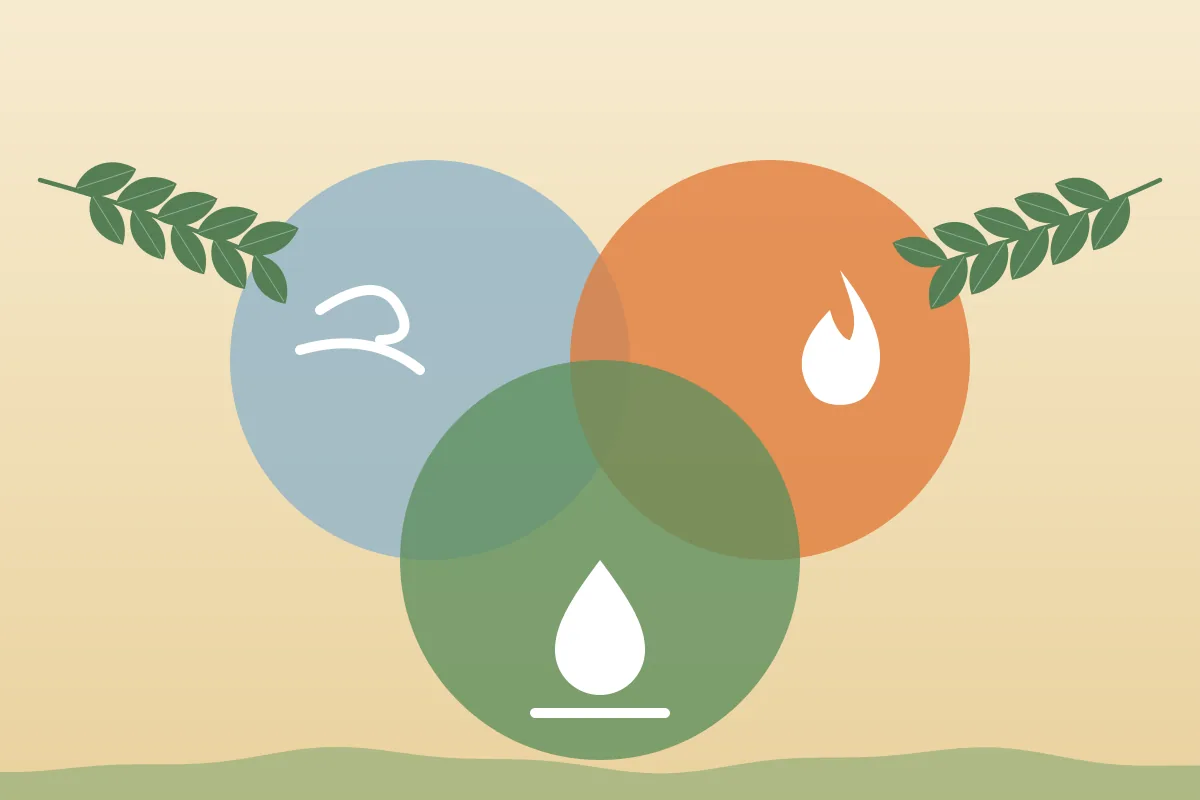
The Charaka Samhita (Sutrasthana, chapter 6) explains that after the long, draining summer, the body enters the rainy season already weak. The damp, cool, cloudy weather then dampens agni, the digestive fire, and aggravates Vata, the dosha of air and movement. At the same time, the acidic quality of water and food in this season causes Pitta to accumulate - which is why it flares up in the hot, post-monsoon autumn (sharad).
The result is familiar in Indian homes: bloating, gas, loss of appetite, loose motions, colds, joint aches and skin infections. Modern medicine adds another reason: contaminated water and food spread infections such as typhoid, hepatitis A and gastroenteritis, and mosquitoes spread dengue and malaria.
The Ayurvedic monsoon diet addresses both: it is easy to digest and hygienic. For the bigger picture, see the six tastes and seasonal eating.
What to eat
| Food group |
Best choices in the monsoon |
| Grains |
Old rice, wheat, barley, jowar, ragi; khichdi and dalia |
| Pulses |
Moong dal (easiest to digest), masoor; thin dal soups |
| Vegetables |
Well-cooked bottle gourd (lauki), ridge gourd, pumpkin, snake gourd, bitter gourd, drumstick, yam |
| Fruits |
Seasonal fruits eaten fresh and whole: pomegranate, jamun, pear, apple, papaya |
| Fats |
A little ghee or sesame oil in cooking |
| Spices |
Ginger (fresh or dry), black pepper, cumin, ajwain, hing, turmeric, coriander |
| Drinks |
Boiled water, warm ginger or tulsi tea, thin spiced buttermilk at lunch, clear soups |
Charaka also recommends a little honey in this season (never heated) and a touch of sour and salty tastes, which help steady Vata - think lemon, a little tamarind in rasam, and rock salt.
What to avoid
- Raw salads and sprouts - harder to digest and a common source of infection in the rains.
- Leafy greens eaten carelessly. If you cook spinach or methi, soak and wash them very thoroughly; many families simply eat fewer greens in the rainy months.
- Street food, cut fruit and chutneys left out in humid air.
- Deep-fried food - pakoras on a rainy day are a tradition, but keep them occasional and freshly made at home.
- Heavy, oily and very sweet food, red meat, and large portions.
- Curd at night and thick curd in general; a thin buttermilk at lunch is better.
- Cold drinks, ice cream and chilled water.
- Unboiled water, including ice made from untreated water.
- Stale or reheated leftovers kept for long in humid kitchens.
A sample monsoon day
- On waking: a glass of warm water; a thin slice of ginger with a pinch of rock salt 15 minutes before breakfast.
- Breakfast: vegetable dalia or poha with peas, or two idlis with a light sambar.
- Mid-morning: a warm cup of tulsi-ginger tea, a seasonal fruit.
- Lunch (main meal): rice or phulka, moong dal with ghee and cumin tadka, well-cooked lauki or pumpkin sabzi, and a glass of thin spiced buttermilk.
- Evening: a handful of roasted makhana or chana with a cup of warm soup.
- Dinner (by 7:30 pm): moong dal khichdi with ghee, or a clear vegetable soup with a phulka.
Lifestyle tips for the rains
- Eat only when hungry and stop at three-quarters full - agni is weak.
- Keep feet dry and clean; fungal infections spread easily in the wet.
- Avoid day sleep and staying in damp clothes, both of which Ayurveda says worsen heaviness.
- Exercise moderately indoors - yoga, Surya Namaskar or a mobility routine - rather than exhausting workouts.
- Keep up abhyanga (warm sesame-oil massage), which Ayurveda considers the best remedy for Vata.
- Use mosquito nets and repellents, and remove standing water around the home.
- If you catch a cold, see our home remedies for cough, cold and mild fever.
When to see a doctor
See a doctor promptly for high fever, fever lasting more than two days in the rainy season, severe body ache, rash, vomiting, diarrhoea with blood or signs of dehydration, or yellowing of the eyes. Dengue, malaria, typhoid and hepatitis need testing and medical treatment, not home remedies.
Frequently asked questions
What should we eat in the monsoon according to Ayurveda?
Warm, light, freshly cooked food: moong dal, khichdi, old rice, wheat, barley, soups and well-cooked vegetables like lauki and pumpkin, flavoured with ginger, cumin, black pepper and rock salt. Drink boiled water and warm herbal teas.
Why should we avoid leafy vegetables in the rainy season?
Leafy greens are more likely to carry soil, insects and germs during the rains, and Ayurveda considers them harder on weak monsoon digestion. If you eat them, soak and wash them very thoroughly and cook them well.
Is curd good in the monsoon?
Ayurveda advises avoiding thick curd, especially at night, in the monsoon because it is heavy and increases mucus. A thin, spiced buttermilk at lunch is a better choice.
Which dosha is aggravated in the monsoon?
Vata is aggravated during the monsoon, while Pitta starts to accumulate and then flares in the following autumn (sharad). Digestion is at its weakest in this season.
Sources and further reading
Health note: This article is for education only and is not a substitute for professional medical advice. Consult a qualified doctor or Ayurvedic practitioner before starting new practices, especially if you are pregnant, have a medical condition or take medication. Read our full disclaimer.