Quick answerTo improve gut health, eat at regular times, make lunch your main meal, eat more fibre from varied plants (dal, whole grains, vegetables, fruit, seeds), include fermented foods such as buttermilk (takra), chew well, stop at about three-quarters full, sip warm water, move after meals, sleep well and manage stress. In Ayurvedic terms, this keeps agni (digestive fire) strong so food is fully digested.
Key takeaways
- Ayurveda places agni (digestive fire) at the centre of health.
- Modern research links a diverse gut microbiome to eating many different plant foods.
- Buttermilk (takra) is praised in Ayurveda and is a naturally fermented food.
- When and how you eat matters as much as what you eat.
- Persistent symptoms, blood in stool or weight loss need a doctor, not home remedies.
In this article
- Why the gut matters
- 10 habits for a healthier gut
- 3 simple recipes for digestion
- A note on triphala and supplements
- When to see a doctor
- Frequently asked questions
Why the gut matters
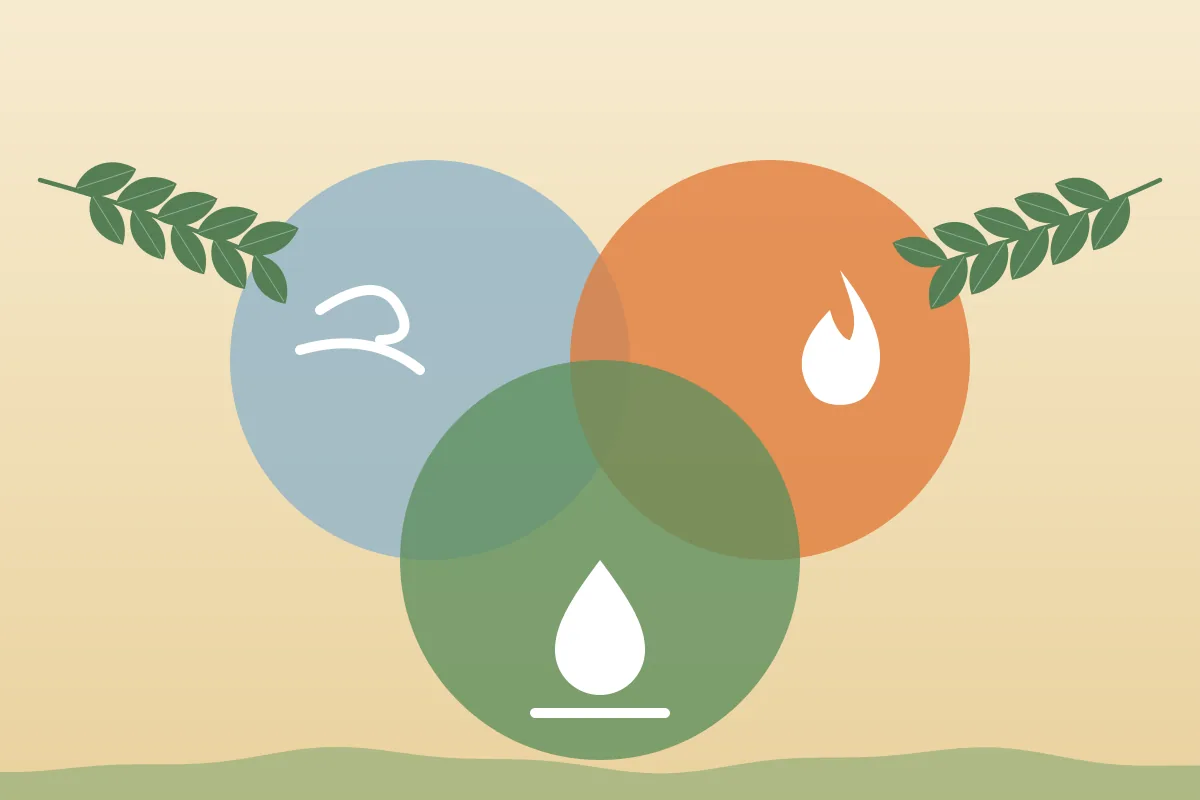
Ayurveda teaches that agni - the digestive fire - is the root of health, and that most disease begins with poor digestion, which leaves behind ama, a sticky, undigested residue. Classical texts describe four states of agni:
| State of agni |
Linked dosha |
Typical signs |
| Sama (balanced) |
- |
Regular appetite, comfortable digestion, daily easy bowel movement |
| Vishama (irregular) |
Vata |
Gas, bloating, constipation, appetite that comes and goes |
| Tikshna (sharp) |
Pitta |
Acidity, heartburn, intense hunger, loose stools |
| Manda (slow) |
Kapha |
Heaviness after meals, sluggishness, low appetite, coated tongue |
Modern science uses a different language but reaches a similar conclusion. The gut houses trillions of microbes - the gut microbiome - which help digest fibre, produce vitamins and beneficial compounds, and communicate with the immune system and brain (the gut-brain axis). A diverse, well-fed microbiome is associated with better overall health.
10 habits for a healthier gut
1. Eat at the same times every day
Regular meal times steady Vata and train your digestion. Aim for three meals without constant grazing, leaving 3-4 hours between them.
2. Make lunch your main meal
Ayurveda says agni peaks at midday, during Pitta time. A larger lunch and a light, early dinner (by 7-8 pm) gives your gut an overnight rest. See our Ayurvedic daily routine.
3. Eat a wide variety of plants
Fibre is the main food for beneficial gut bacteria. Many adults eat far less than the commonly recommended 25-30 g a day. Research such as the American Gut Project found people who ate 30 or more different plant foods a week had a more diverse microbiome than those who ate 10 or fewer. An Indian diet makes this easy: different dals, millets (ragi, jowar, bajra), vegetables, fruit, nuts, seeds and spices all count.
4. Include fermented foods - especially buttermilk
Ayurveda praises takra (buttermilk made by churning curd with water and removing the fat) as one of the best foods for digestion, noting it does not create the heaviness of thick curd. Fermented foods such as buttermilk, homemade curd, idli, dosa batter and kanji can add live microbes to the diet. A 2021 Stanford study found a high-fermented-food diet increased microbiome diversity over 10 weeks.
5. Kindle agni before meals
A traditional appetiser: a thin slice of fresh ginger with a pinch of rock salt and a few drops of lemon, 10-15 minutes before lunch.
6. Chew well and eat calmly
Digestion begins in the mouth. Eat sitting down, without screens, and put your spoon down between bites. Ayurveda also advises against eating when angry, anxious or rushed.
7. Stop at three-quarters full
The Charaka Samhita suggests filling the stomach one-third with food, one-third with liquid and leaving one-third empty. In practice: stop when you feel satisfied, not full.
8. Sip warm water, not iced drinks
Warm water supports digestion; very cold drinks with meals are said to dampen agni. Small sips during a meal are fine.
9. Move after meals
Take a gentle 10-minute walk (shatapavali, "a hundred steps") after lunch and dinner. Sitting in Vajrasana (kneeling pose) for 5 minutes after a meal is a traditional yoga practice for digestion. Regular exercise is also associated with a more diverse microbiome.
10. Sleep well and manage stress
Stress directly affects digestion through the gut-brain axis. Meditation, slow breathing and 7-9 hours of sleep are gut-health practices too.
3 simple recipes for digestion
Spiced buttermilk (masala chaas)
Blend 1 part fresh curd with 3-4 parts water. Add a pinch of roasted cumin powder, rock salt, a little grated ginger and chopped coriander or mint. Drink one glass at lunch. Avoid it at night and during a cold.
CCF tea (cumin, coriander, fennel)
A classic Ayurvedic digestive tea. Boil ½ tsp each of cumin, coriander and fennel seeds in 2 cups of water for 5 minutes. Strain and sip warm through the day. Gentle enough for all three doshas.
Moong dal khichdi
The Ayurvedic reset meal. Cook 1 part split yellow moong dal and 1 part rice with 6 parts water, a pinch of turmeric and a little salt. Temper with ghee, cumin, a pinch of hing (asafoetida) and grated ginger. Easy to digest and nourishing - ideal when your gut feels unsettled.
A note on triphala and supplements
Triphala - a blend of three fruits (amalaki, bibhitaki and haritaki) - is one of Ayurveda's most widely used formulas for digestion and regularity. Probiotic supplements are also popular, though research results for healthy people are mixed and strain-specific. Before taking any supplement, check with a doctor or qualified Ayurvedic practitioner, buy only from licensed manufacturers, and avoid use in pregnancy unless advised.
When to see a doctor
Home habits help everyday digestion, but see a doctor if you have:
- Blood in your stool, or black, tarry stools
- Unexplained weight loss
- Persistent diarrhoea, constipation or a change in bowel habit lasting more than 3 weeks
- Severe or persistent abdominal pain, vomiting or difficulty swallowing
- Symptoms that wake you at night, or a family history of bowel cancer or inflammatory bowel disease
Frequently asked questions
What is the fastest way to improve gut health?
There is no instant fix, but the changes with the quickest benefits are eating at regular times, adding more fibre from varied plant foods, including a fermented food such as buttermilk, eating a lighter, earlier dinner and walking after meals. Many people notice a difference within 2-4 weeks.
Is curd or buttermilk better for digestion?
Ayurveda prefers buttermilk (takra), which is lighter and easier to digest, especially in warm weather. Thick curd is considered heavy and is best avoided at night and during colds.
What does Ayurveda say about gut health?
Ayurveda places agni, the digestive fire, at the centre of health. When agni is balanced, food is fully digested; when it is weak or irregular, undigested residue called ama builds up and is thought to contribute to disease.
Should I take triphala every day?
Many people use triphala for regularity, but it is best taken on the advice of a qualified practitioner who can recommend the right dose and duration. It is not recommended in pregnancy or with diarrhoea.
Sources and further reading
Health note: This article is for education only and is not a substitute for professional medical advice. Consult a qualified doctor or Ayurvedic practitioner before starting new practices, especially if you are pregnant, have a medical condition or take medication. Read our full disclaimer.