Yoga for Back Pain at Home: 10 Gentle Poses and What to Avoid
Most everyday back pain improves with gentle movement rather than rest. This 15-minute home sequence focuses on relieving stiffness and building support, with clear safety guidance.
Most everyday back pain improves with gentle movement rather than rest. This 15-minute home sequence focuses on relieving stiffness and building support, with clear safety guidance.
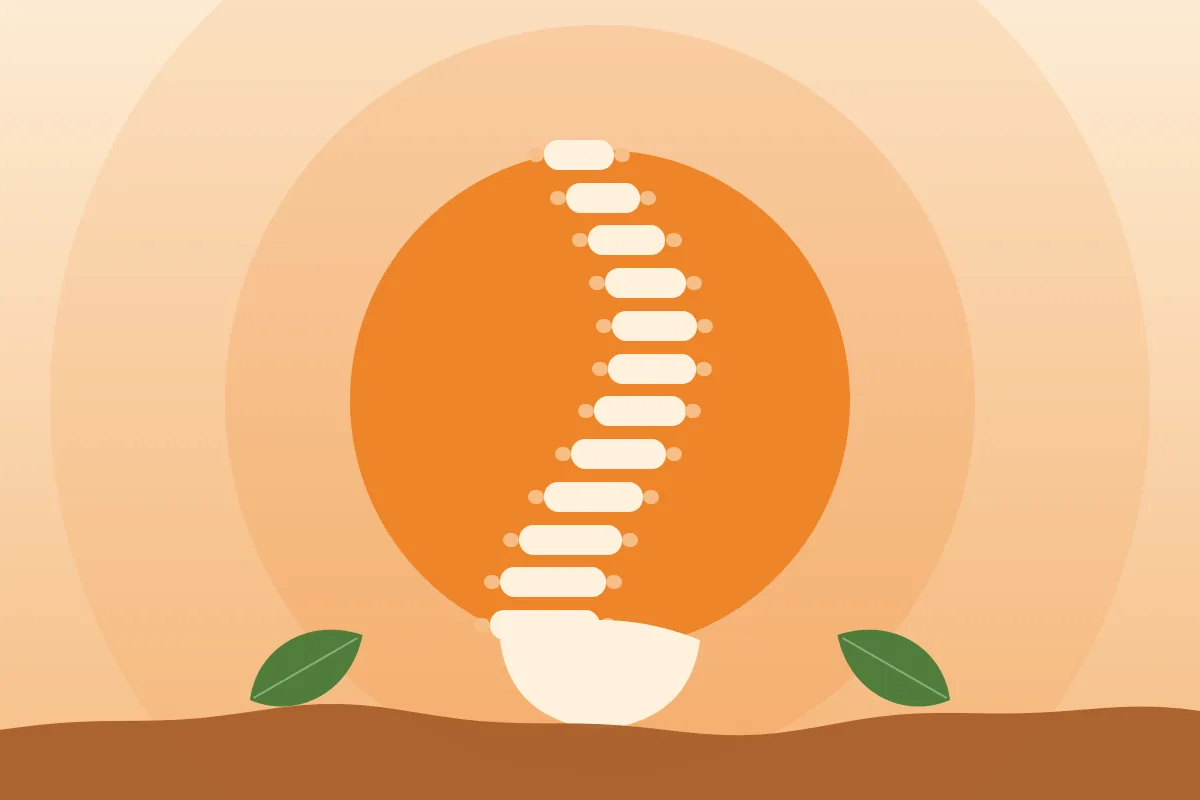
For everyday lower back pain, gentle yoga can help: Makarasana (crocodile), pelvic tilts, knee-to-chest, Cat-Cow, Child's pose, Sphinx, Bridge, half Locust, a gentle supine twist and strap hamstring stretches. Move slowly and pain-free for 10-15 minutes daily. Avoid deep forward folds and strong twists during a flare-up, and seek urgent care for numbness, leg weakness, or bladder or bowel changes.
For non-specific lower back pain - the common kind not caused by a serious underlying condition - the evidence is encouraging. The American College of Physicians' 2017 guideline lists yoga among recommended first-line, non-drug treatments for chronic low back pain, alongside exercise, tai chi and mindfulness. A 2022 Cochrane review found that yoga produced small-to-moderate improvements in pain and function compared with no exercise.
Yoga helps by gently mobilising the spine, strengthening the muscles that support it, stretching tight hips and hamstrings, and calming the stress that makes pain feel worse.
Seek urgent medical care if back pain comes with any of these:
Also see a doctor or physiotherapist before starting if you have pain shooting down the leg (sciatica), osteoporosis, a recent injury or spinal surgery, or pain that is getting worse.
Lie on your front, stack your hands and rest your forehead on them, legs relaxed and slightly apart. Breathe into your lower back and feel it rise and fall. A traditional relaxation pose for back pain.
From Crocodile, bring your elbows under your shoulders with forearms on the floor. Lift the chest gently, keeping the lower back relaxed. Hold for 5 breaths, lower, repeat twice. A gentle version of Bhujangasana.
Lying on your front, forehead down, lift one straight leg a few centimetres, hold for 3 breaths and lower. Alternate, 4 times per side. Strengthens the lower back and glutes.
Kneel, sit back towards your heels and fold forward, arms stretched or resting beside you. Widen the knees if more comfortable, or place a cushion under your chest.
On hands and knees, inhale to gently arch and look forward, exhale to round the back. Keep the movement small and smooth, 8-10 times.
Lie on your back with knees bent and feet flat. Exhale and gently press your lower back into the floor by tilting the pelvis; inhale and release. Repeat 10 times.
Lying on your back, hug one knee towards your chest for 5 breaths, then the other, then both together, rocking gently side to side.
Knees bent, feet hip-width apart, arms by your sides. Exhale and lift the hips, peeling the spine off the floor; hold for 3 breaths and lower slowly. Repeat 5 times. Strengthens the glutes and back.
Lying on your back, loop a strap or towel around one foot and raise the leg towards the ceiling with the knee slightly bent; keep the other knee bent with the foot on the floor. Hold for 30-45 seconds per side. Tight hamstrings pull on the lower back.
With knees bent, lower both knees slowly to one side, keeping both shoulders on the floor; hold for 5 breaths and switch. Finish lying on your back with a pillow under your knees for 2 minutes of relaxed breathing.
Reintroduce these slowly, ideally under a qualified teacher, once pain has settled.
In Ayurveda, back pain (kati shoola) is often linked to aggravated Vata. Warm-oil massage, warmth and a regular routine - see dinacharya - are traditional supportive measures.
There is no single best pose. Gentle options that many people find helpful include Crocodile, Sphinx, Child's pose, Cat-Cow, knee-to-chest and Bridge. Combining gentle stretching with strengthening poses works better than stretching alone.
For most common back pain, staying gently active helps you recover faster than bed rest. Move within a comfortable range and gradually increase activity. See a doctor for severe pain or red-flag symptoms.
It can if you push into pain, do deep forward bends or twists during a flare-up, or attempt advanced poses. Move slowly, stay pain-free and choose gentle poses. Stop if pain spreads down the leg.
Many people notice some relief within 2-4 weeks of regular gentle practice. Studies of yoga for chronic low back pain typically run for 8-12 weeks.
Health note: This article is for education only and is not a substitute for professional medical advice. Consult a qualified doctor or Ayurvedic practitioner before starting new practices, especially if you are pregnant, have a medical condition or take medication. Read our full disclaimer.
Learn Surya Namaskar step by step: all 12 poses with breathing cues, the 12 sun mantras, benefits, common mistakes and safety tips for beginners.
5 min read
Patanjali's eight limbs of yoga (Ashtanga) explained: yamas, niyamas, asana, pranayama, pratyahara, dharana, dhyana and samadhi, with practical ways to live each.
4 min read
Learn how to meditate in 10 minutes a day: posture, breath-counting, handling a busy mind, and a simple 30-day plan rooted in the yogic practice of dhyana.
5 min read
New articles on Ayurveda, yoga and spirituality, plus one seasonal practice. No spam; unsubscribe anytime.