Quick answerTo bring more positive energy into your life, build habits that calm and clarify the mind: wake early and get morning sunlight, move your body, practise slow breathing or meditation, keep a gratitude journal, eat fresh sattvic food, sleep well, declutter, limit news and social media, spend time in nature and with uplifting people, and help others. In yogic terms, this increases sattva - the quality of clarity, balance and lightness.
Key takeaways
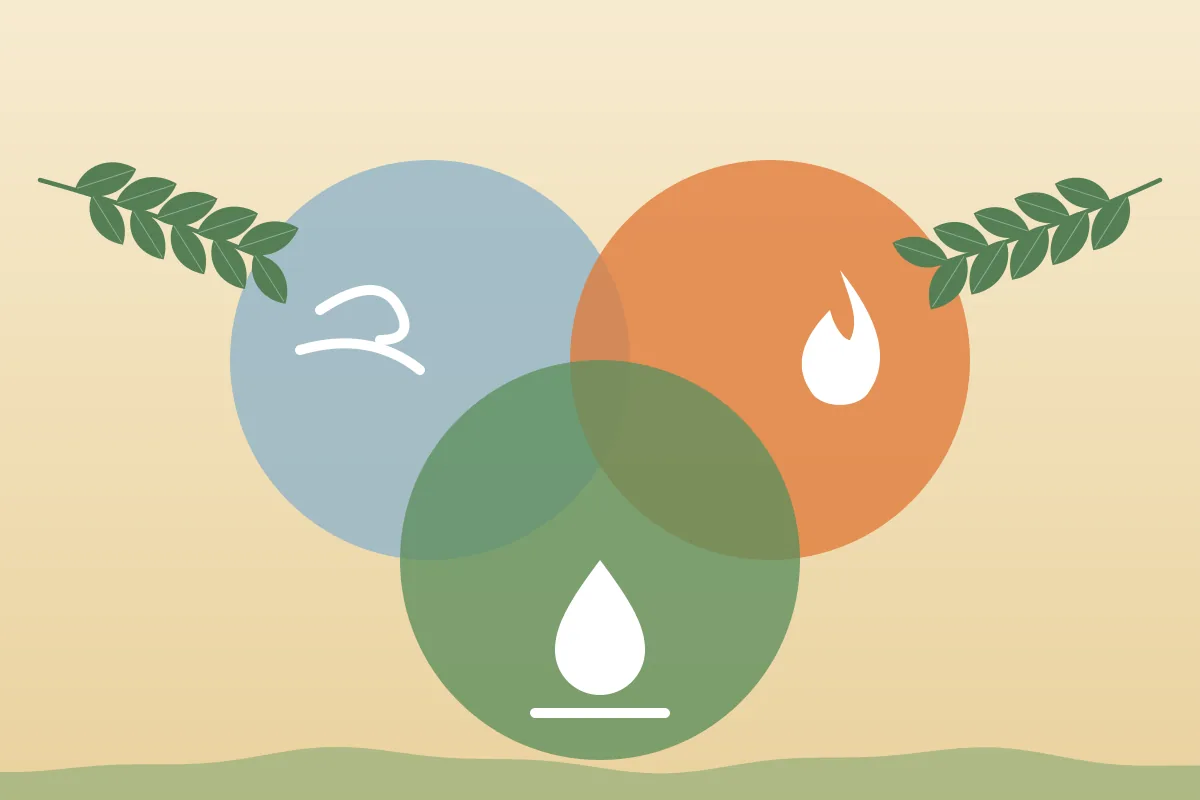
- Yoga and Ayurveda describe three qualities of mind: sattva (clarity), rajas (agitation) and tamas (inertia).
- Positive energy grows from daily habits, not one-off rituals.
- Morning light, movement and sleep have a strong effect on mood.
- Gratitude practice and helping others are backed by research.
- Persistent low mood is not a lack of positivity - it deserves professional support.
In this article
- What "positive energy" means in the yogic view
- 12 practical ways to increase positive energy
- A simple daily plan
- When positivity is not enough
- Frequently asked questions
What "positive energy" means in the yogic view
Yoga and Ayurveda describe three qualities, or gunas, present in everything, including the mind:
- Sattva - clarity, calm, lightness, contentment and kindness.
- Rajas - activity, desire, restlessness and agitation.
- Tamas - heaviness, dullness, inertia and confusion.
All three are needed - rajas gets us moving, tamas lets us sleep - but what people usually call "positive energy" is a mind where sattva predominates: clear, warm, steady and open. The Bhagavad Gita (chapter 14) describes sattva as illuminating and free from sorrow. The practices below increase sattva and reduce excess rajas and tamas.
In Indian thought, energy is also linked to prana, the life force carried by the breath. When prana flows well, you feel alive and light; when it is depleted, you feel dull and drained.
12 practical ways to increase positive energy
1. Wake early and get morning light
Rise at a regular time, ideally near sunrise, and spend 10-15 minutes outdoors. Morning daylight helps set your body clock, which supports mood, energy and sleep. See our Ayurvedic daily routine.
2. Move your body every day
Regular physical activity is one of the most reliable mood boosters known. Even a 10-minute walk helps. Try a morning mobility routine or a few rounds of Surya Namaskar.
3. Breathe slowly
When you feel tense or low, slow your breath: breathe in for 4 counts, out for 6, for three minutes. Slow breathing shifts the nervous system towards calm. Nadi Shodhana and Bhramari are excellent daily practices.
4. Meditate for ten minutes
Meditation trains you to notice thoughts without being carried away by them - the root of emotional steadiness. Start with our beginner's guide.
5. Keep a gratitude journal
Each evening, write down three specific things you are grateful for. In a well-known study by Emmons and McCullough (2003), people who kept a weekly gratitude list reported feeling more optimistic and better about their lives than those who listed hassles. The Yoga Sutras call this santosha - contentment.
6. Eat fresh, sattvic food
Ayurveda considers freshly cooked, wholesome food - grains, dal, vegetables, fruit, nuts, milk and ghee in moderation - to be sattvic. Stale, reheated, heavily processed and fried food, and excess alcohol, are considered tamasic; very spicy food and excess caffeine rajasic. Notice how different meals leave you feeling two hours later.
7. Protect your sleep
Little drains energy like poor sleep. Aim for 7-9 hours, keep a regular bedtime (ideally by 10-10:30 pm), and keep screens out of the bedroom.
8. Declutter your space
A tidy, clean space (shaucha, cleanliness, is one of the yogic niyamas) often brings a feeling of lightness. Start with one drawer or one corner a day. Open windows, let in light and fresh air.
9. Guard your attention
What you consume through your eyes and ears is also "food". Limit doom-scrolling and constant news, mute accounts that leave you anxious or envious, and choose one uplifting input each day - a book, a talk, music or a sacred text.
10. Choose your company
The Indian traditions value satsang - the company of truth and of good people. Spend more time with people who are kind, honest and encouraging, and less with those who drain you.
11. Help someone
Acts of kindness and service (seva) reliably lift mood, both for the giver and the receiver. Research on "prosocial spending" and volunteering links helping others with greater wellbeing. It is also the heart of karma yoga.
12. Chant, pray or sit in silence
Chanting Om or a mantra, prayer, lighting a diya in the evening or simply sitting in silence for a few minutes can quiet the mind and bring a sense of connection. See Om and japa with a mala.
A simple daily plan
- Morning: warm water, 10 minutes of mobility, 5 minutes of breathing, 10 minutes outdoors.
- Daytime: fresh home-cooked lunch, a short walk, one act of kindness.
- Evening: screens off an hour before bed, three lines of gratitude, lights out by 10:30 pm.
When positivity is not enough
Positive habits help everyday wellbeing, but they are not a cure for depression, anxiety or burnout - and no one should feel they have failed because they cannot "think positive". If low mood, hopelessness, loss of interest, sleep problems or anxiety last for more than two weeks, or you have thoughts of harming yourself, please reach out to a doctor or mental-health professional. In India you can call the government's free Tele MANAS helpline on 14416 (or 1-800-891-4416), available 24/7.
Frequently asked questions
How can I remove negative energy from my home?
Practical steps help most: declutter, clean regularly, let in daylight and fresh air, add plants, reduce noise and screens, and create a quiet corner for meditation or prayer. Many families also light a diya or chant in the evening to set a calm tone.
What is sattva?
Sattva is one of the three gunas, or qualities, described in yoga and Ayurveda. It represents clarity, calm, balance and lightness. Practices like meditation, sattvic food, good sleep and kindness are said to increase it.
What is the fastest way to feel more positive?
Step outside, move your body for 10 minutes and slow your breathing - for example, breathing in for 4 counts and out for 6. These change your physical state quickly, which often lifts your mood.
Can positive thinking cure depression?
No. Depression is a medical condition, not a lack of positivity. Healthy habits can support recovery, but anyone with persistent low mood should seek help from a doctor or mental-health professional. In India, Tele MANAS (14416) offers free 24/7 support.
Sources and further reading
Health note: This article is for education only and is not a substitute for professional medical advice. Consult a qualified doctor or Ayurvedic practitioner before starting new practices, especially if you are pregnant, have a medical condition or take medication. Read our full disclaimer.